
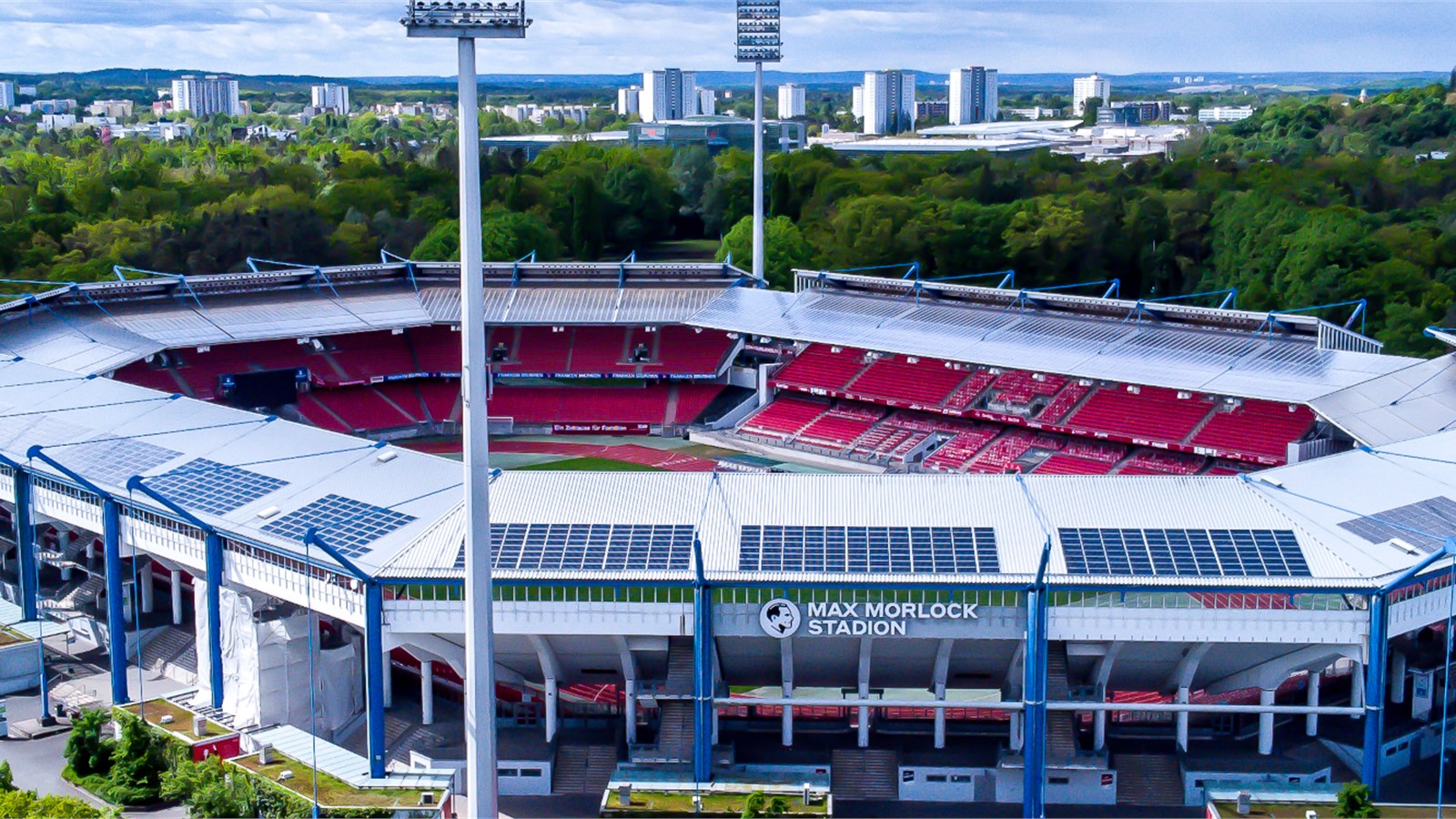
Max-Morlock-Stadium Nuremberg
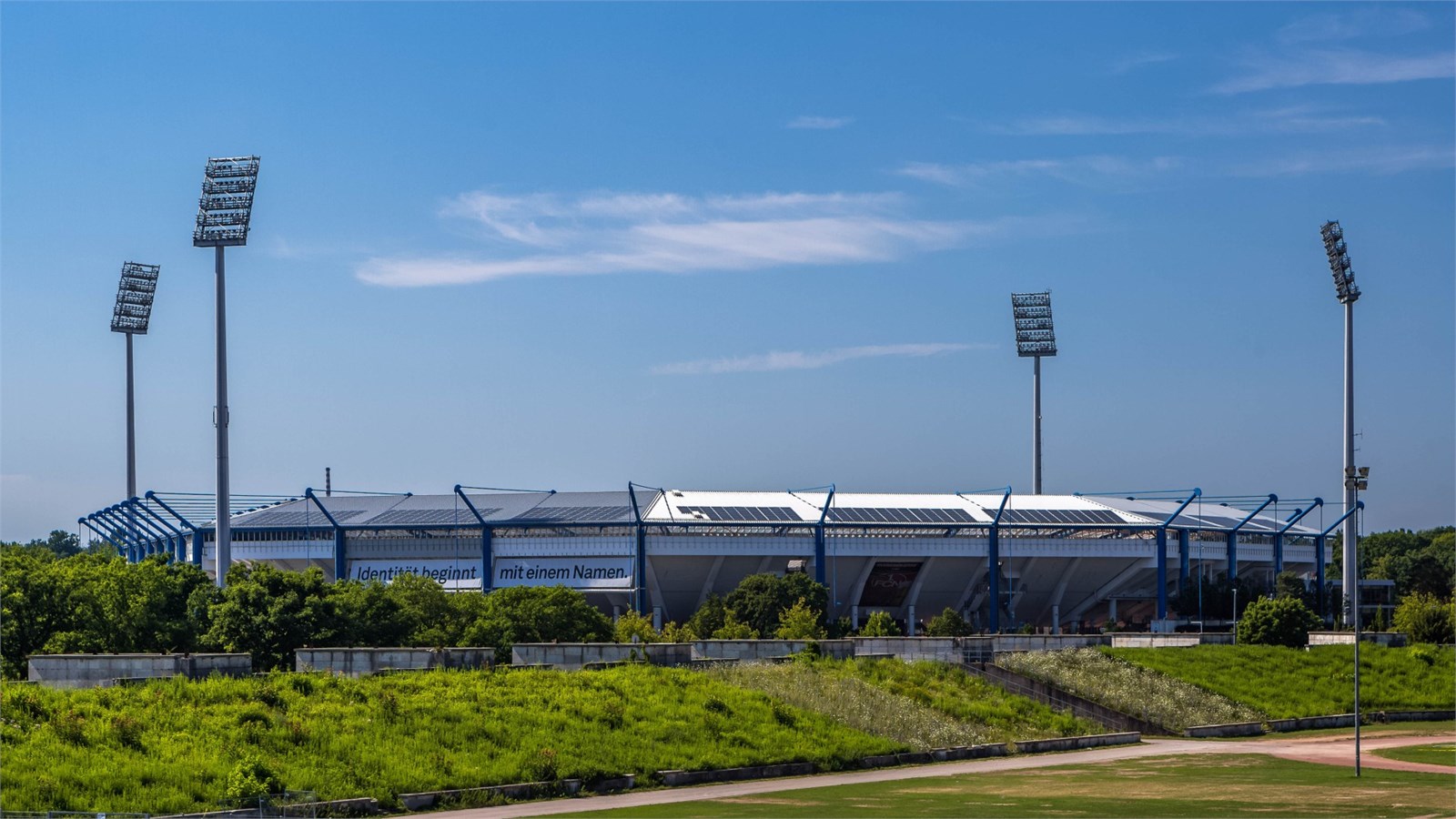
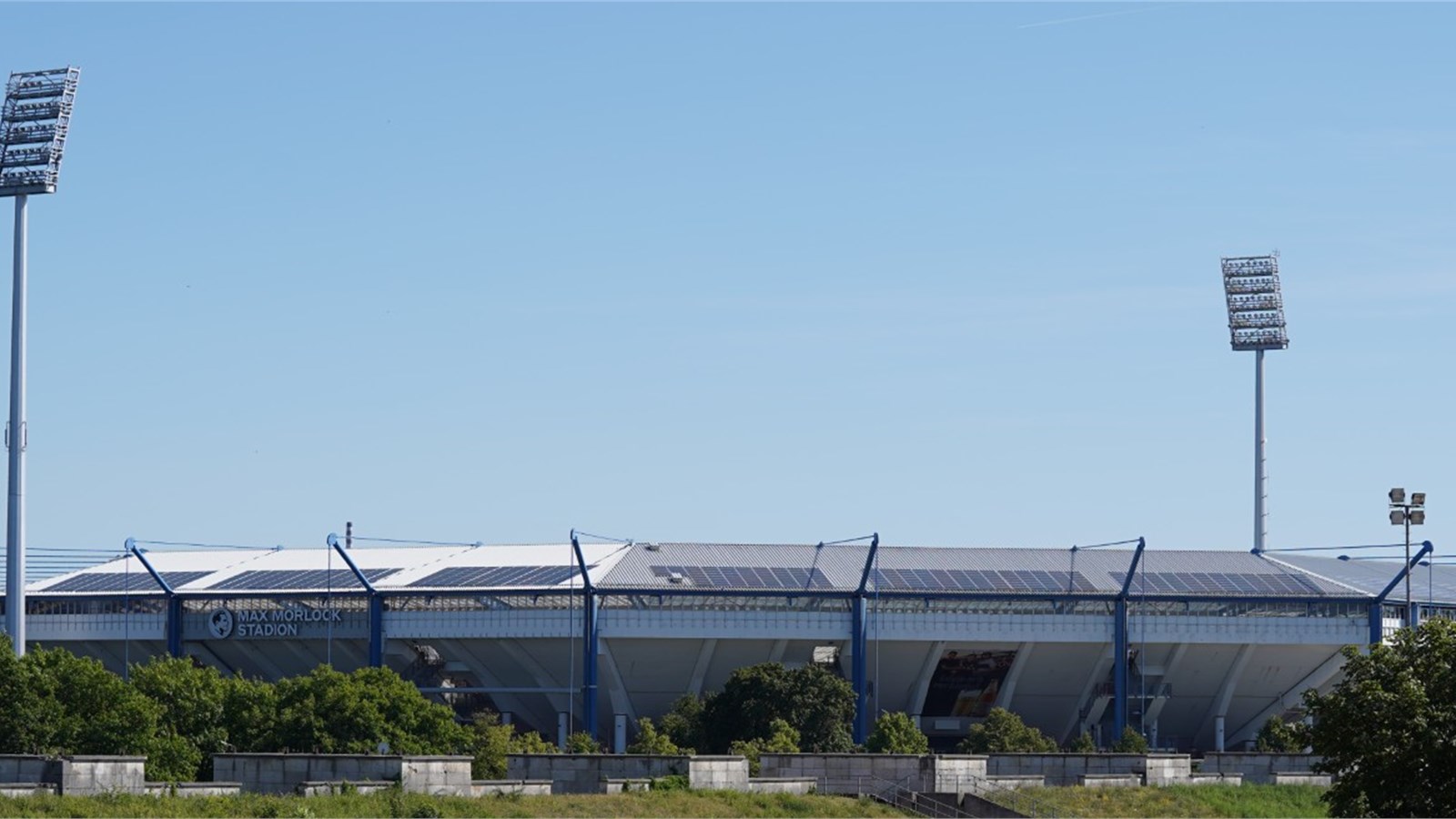
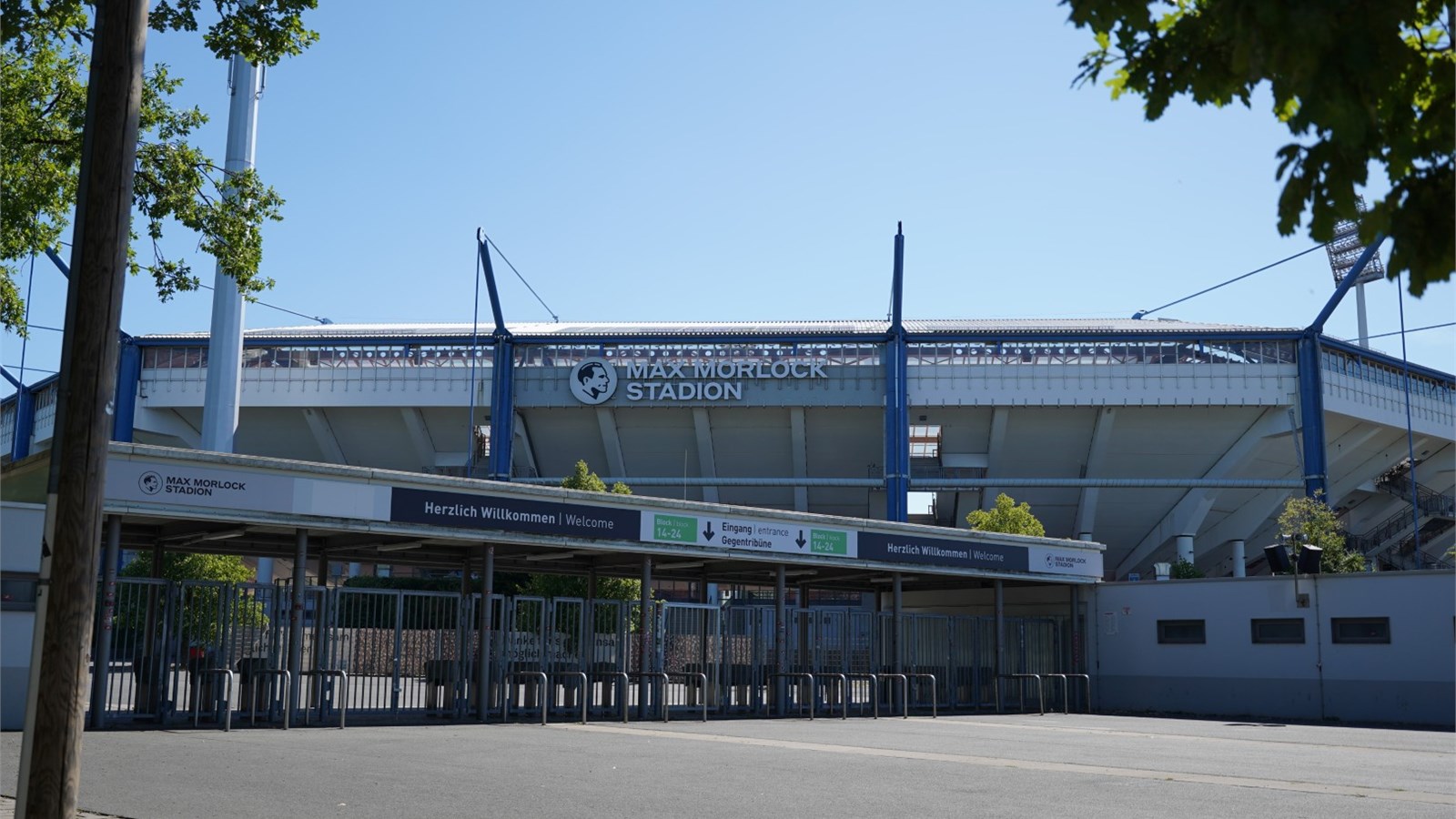
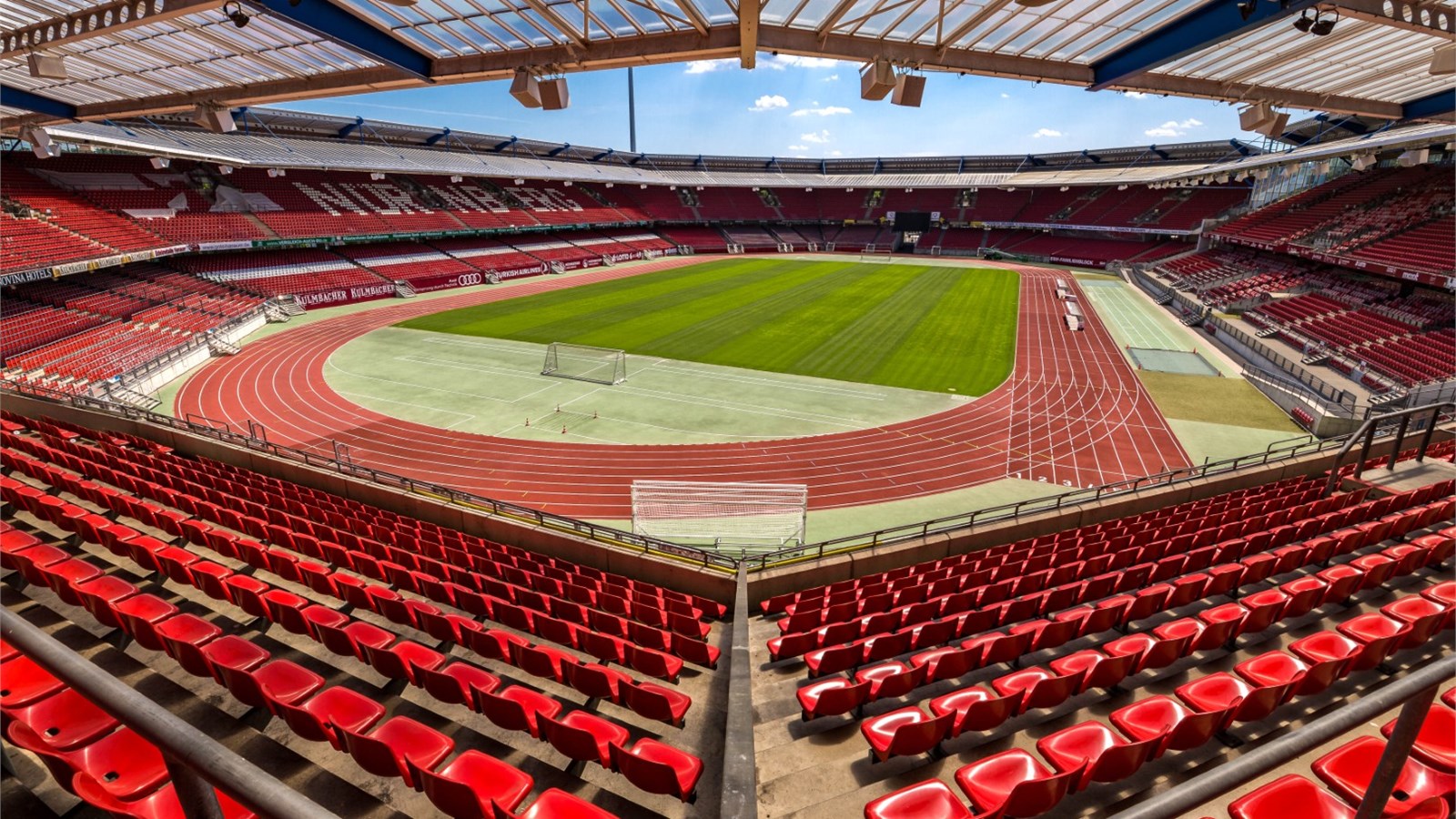
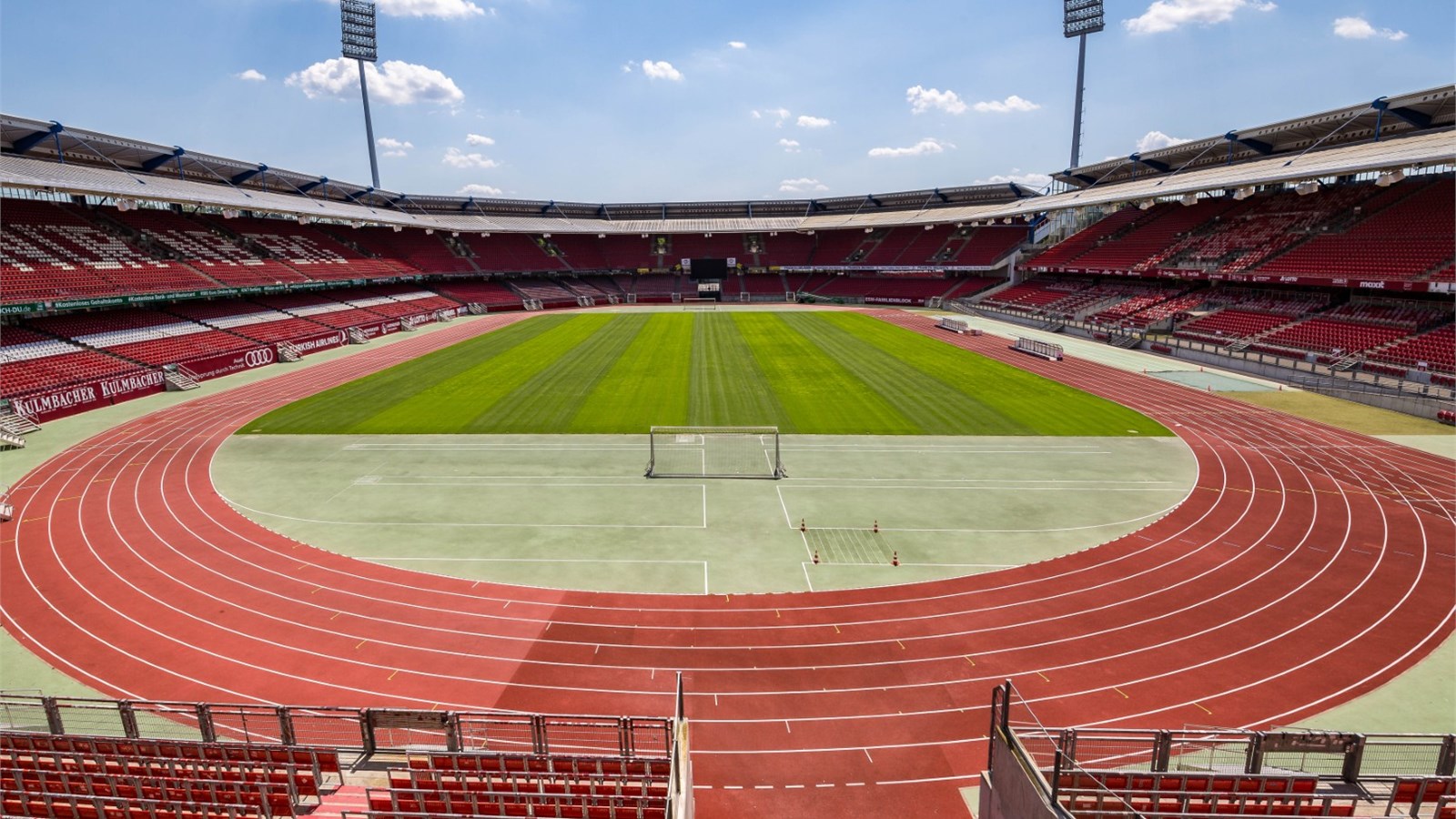
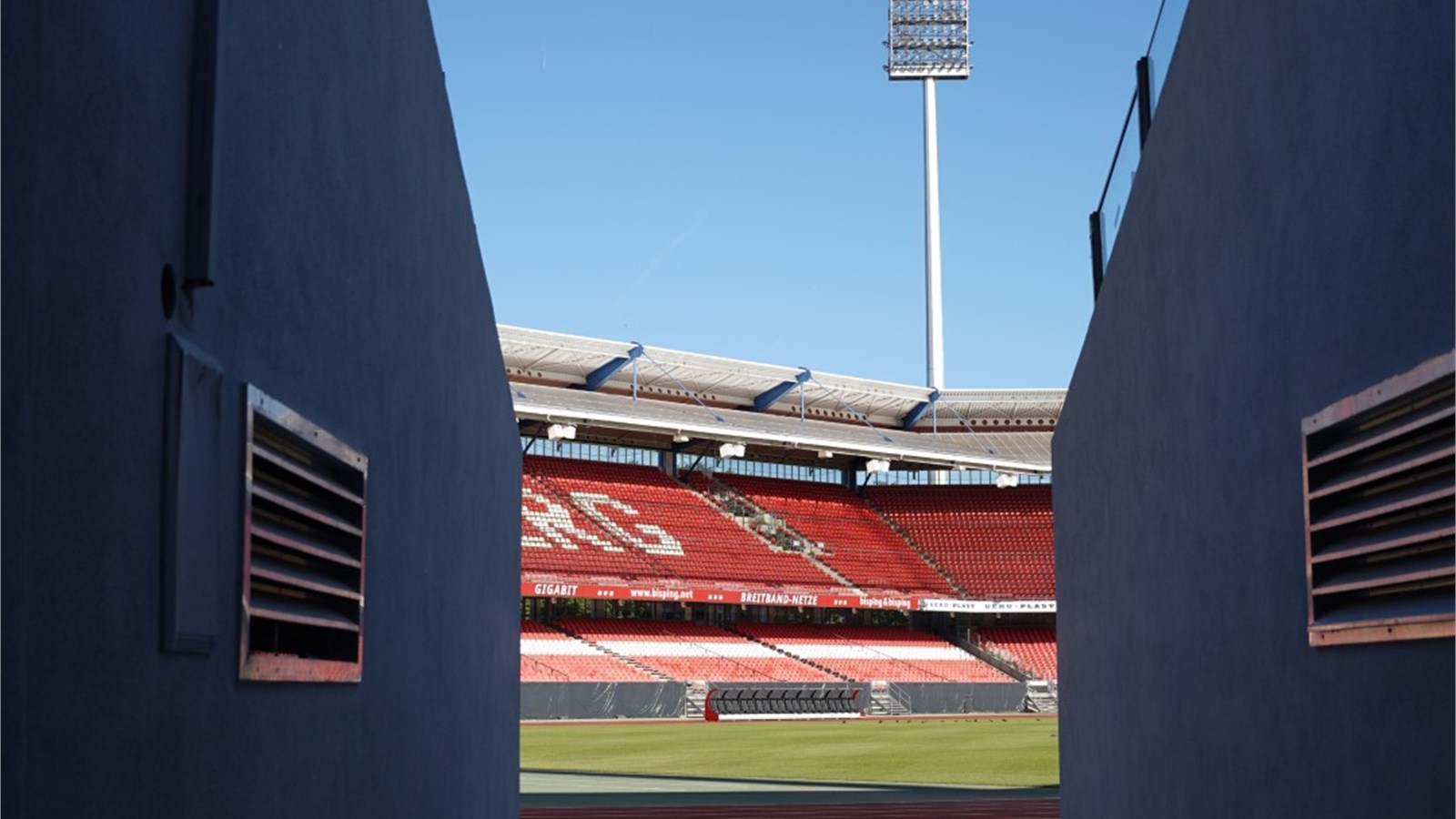
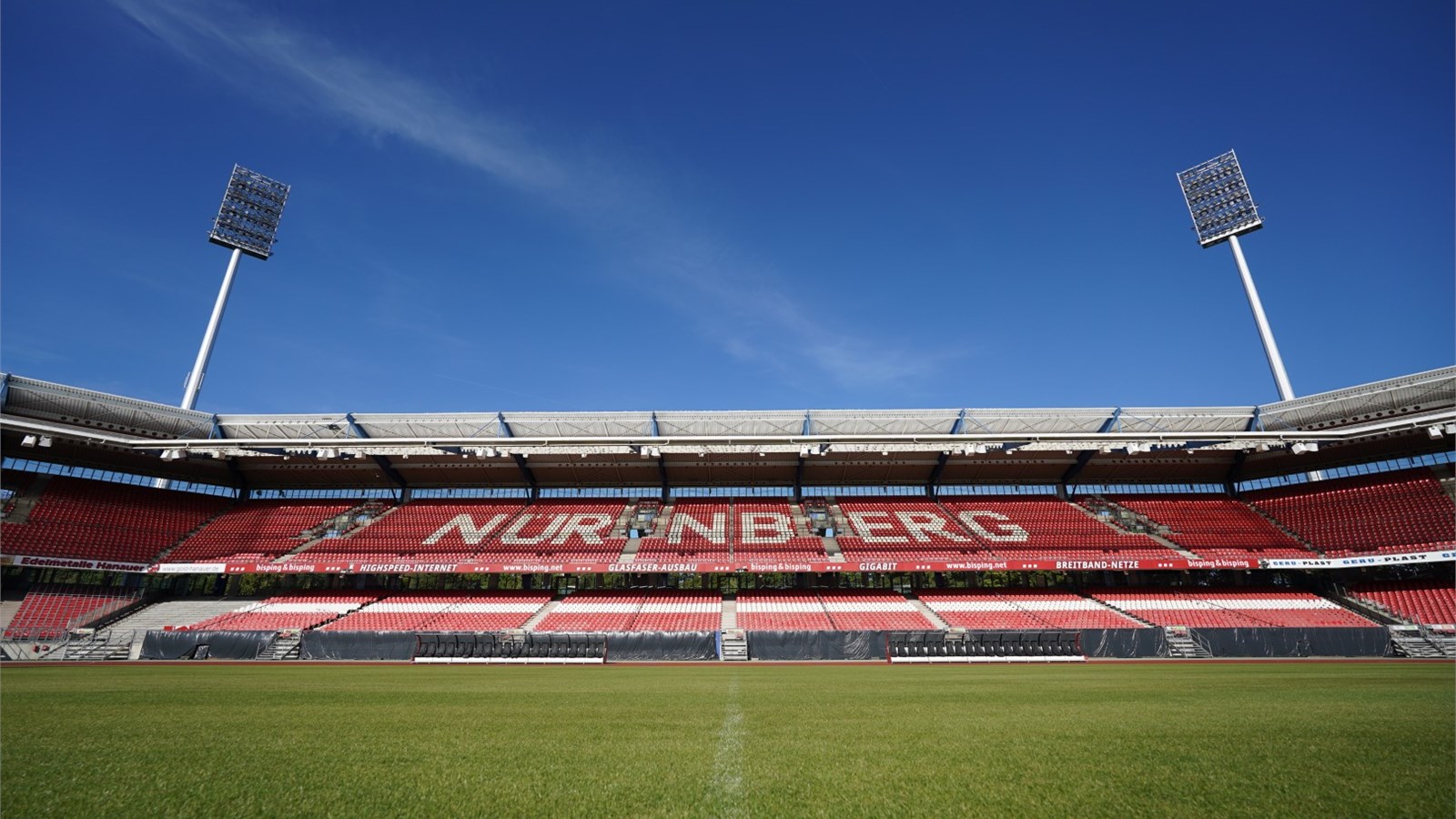
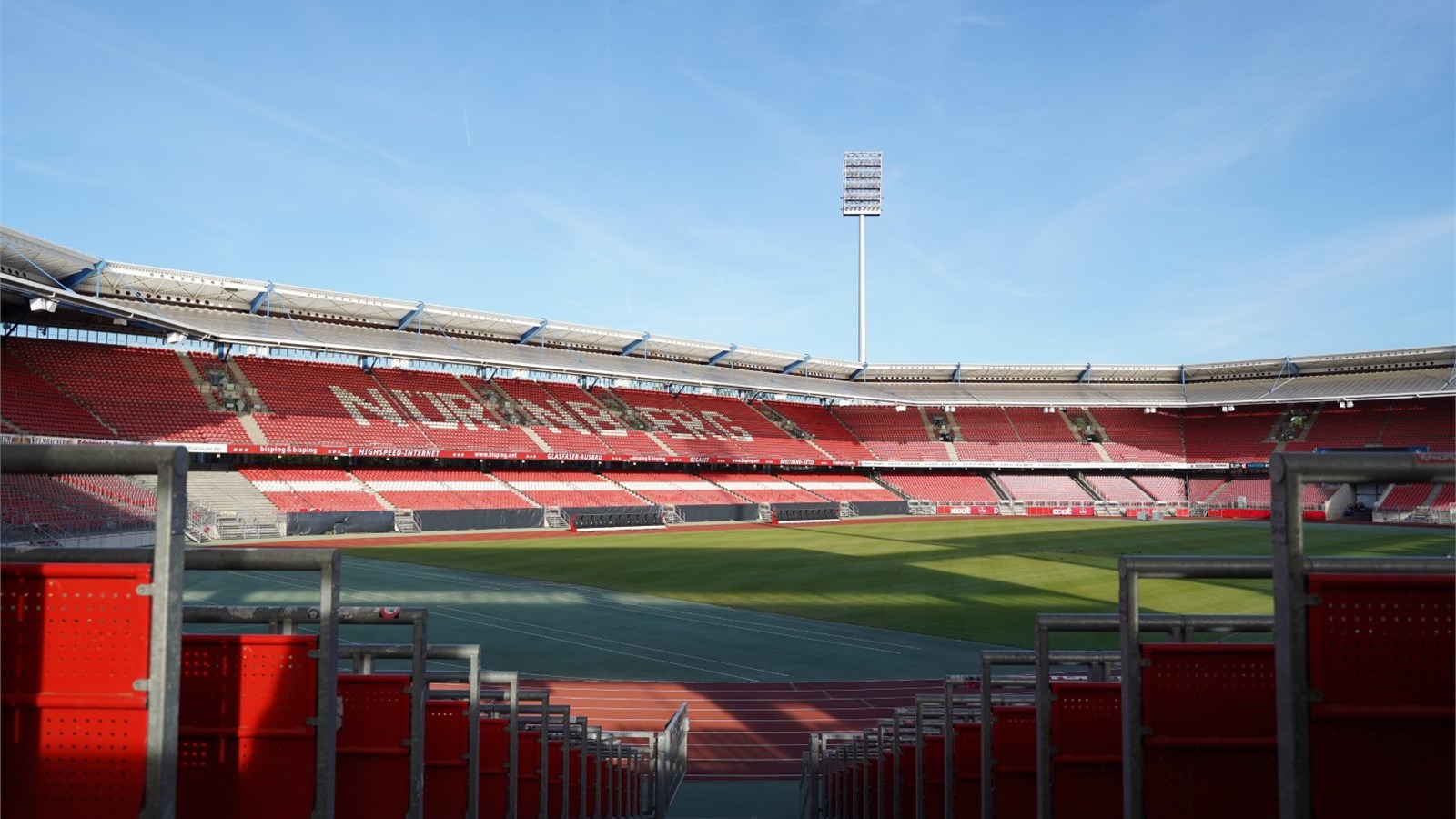
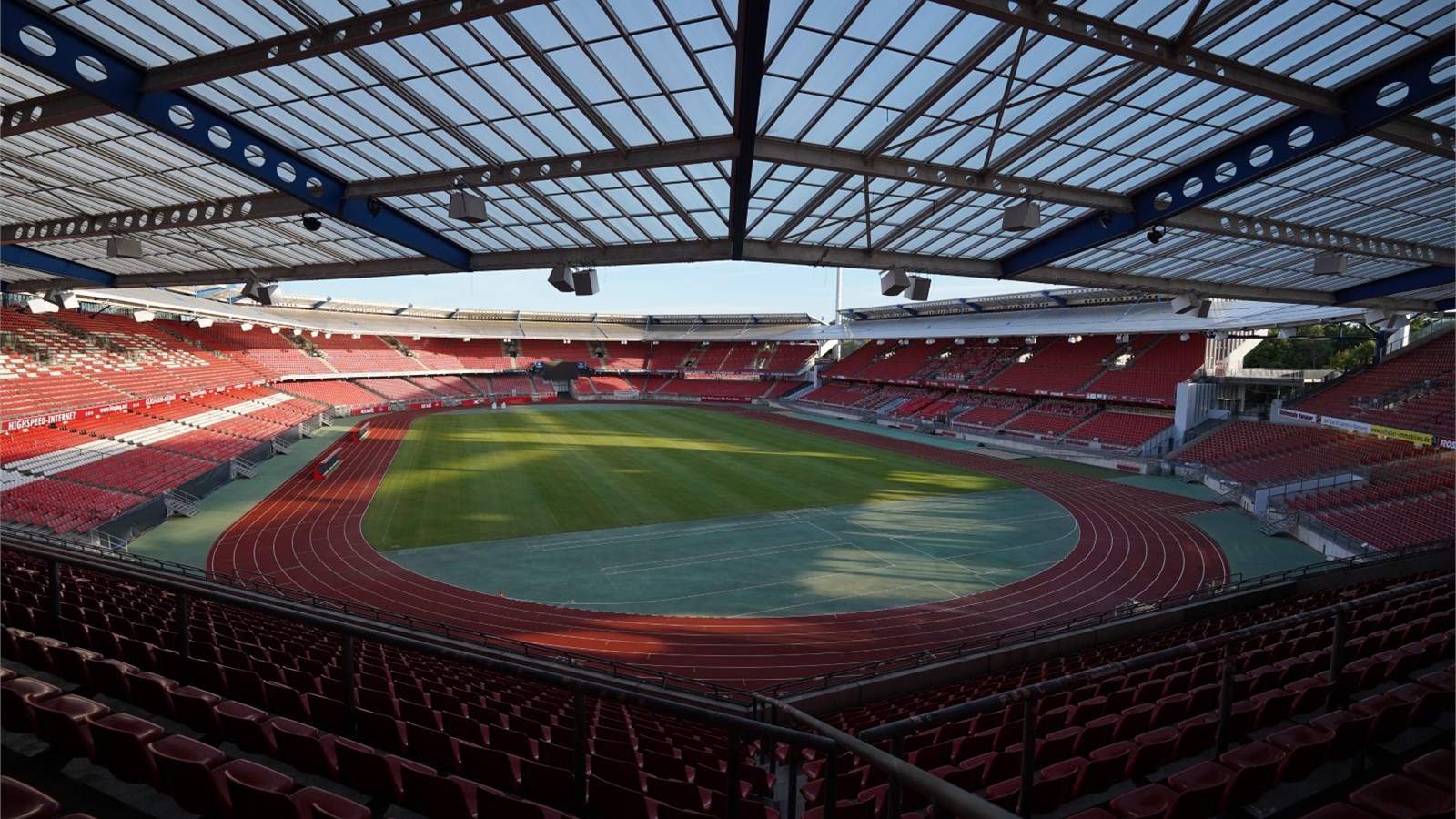
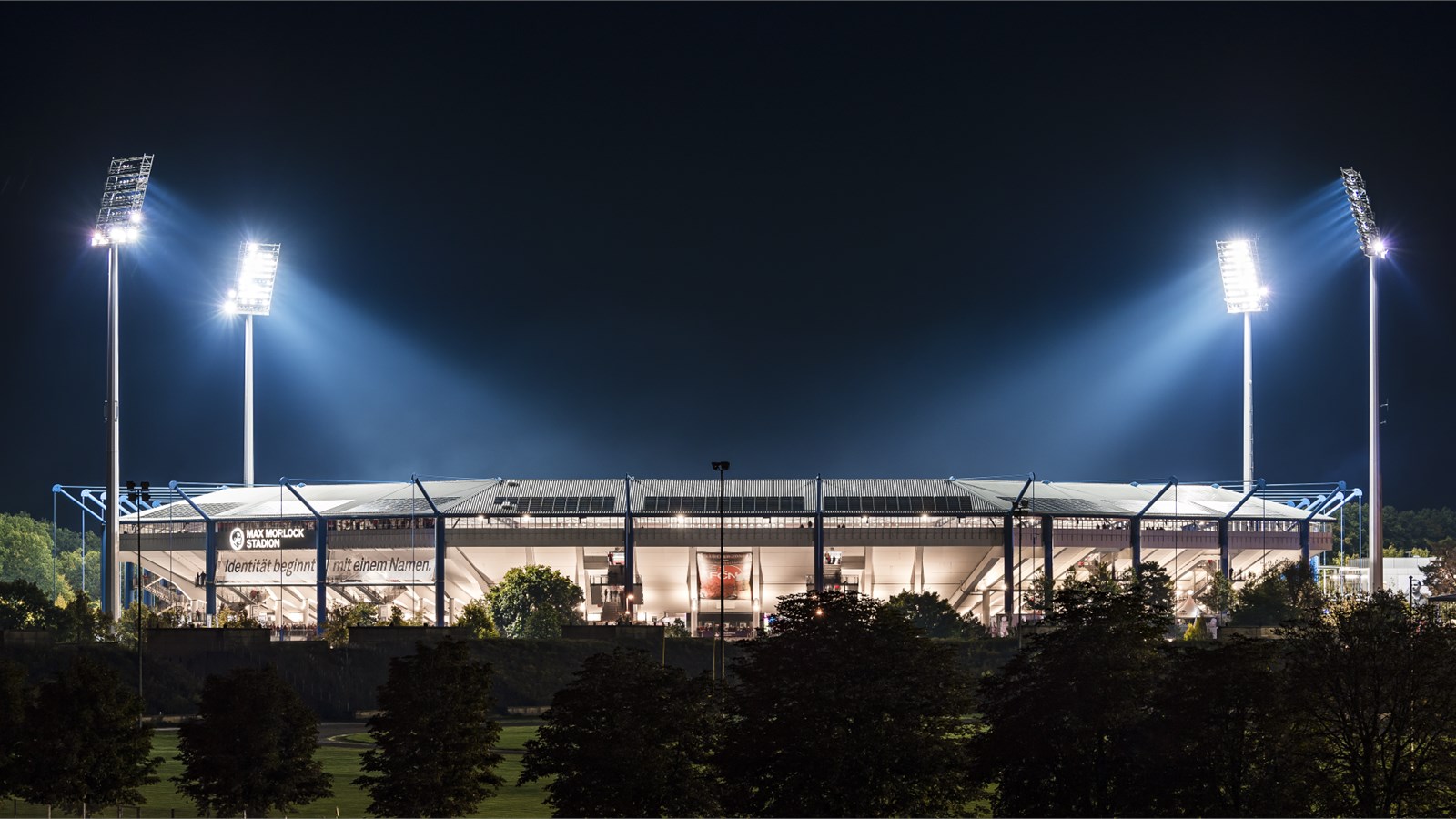
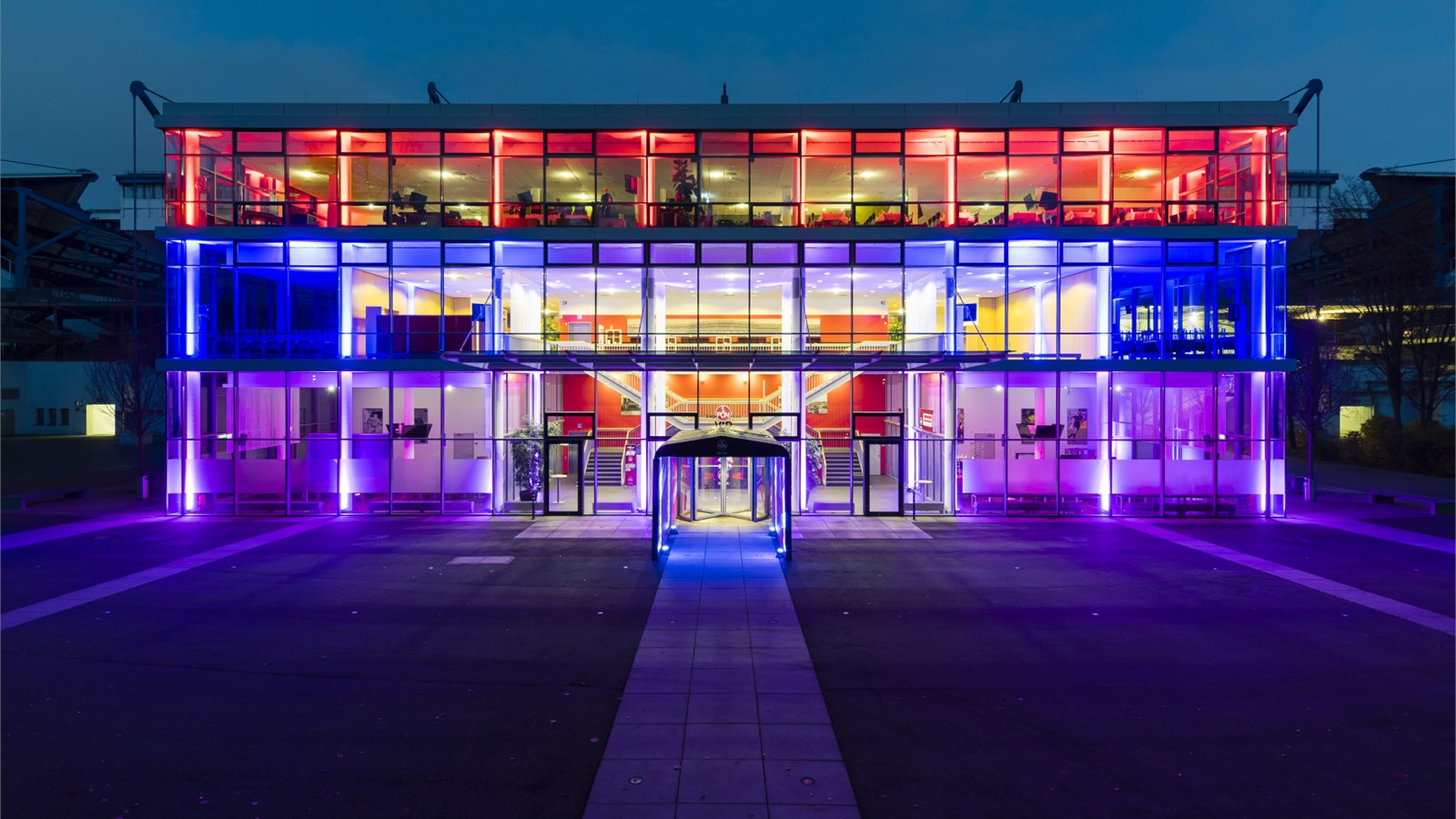
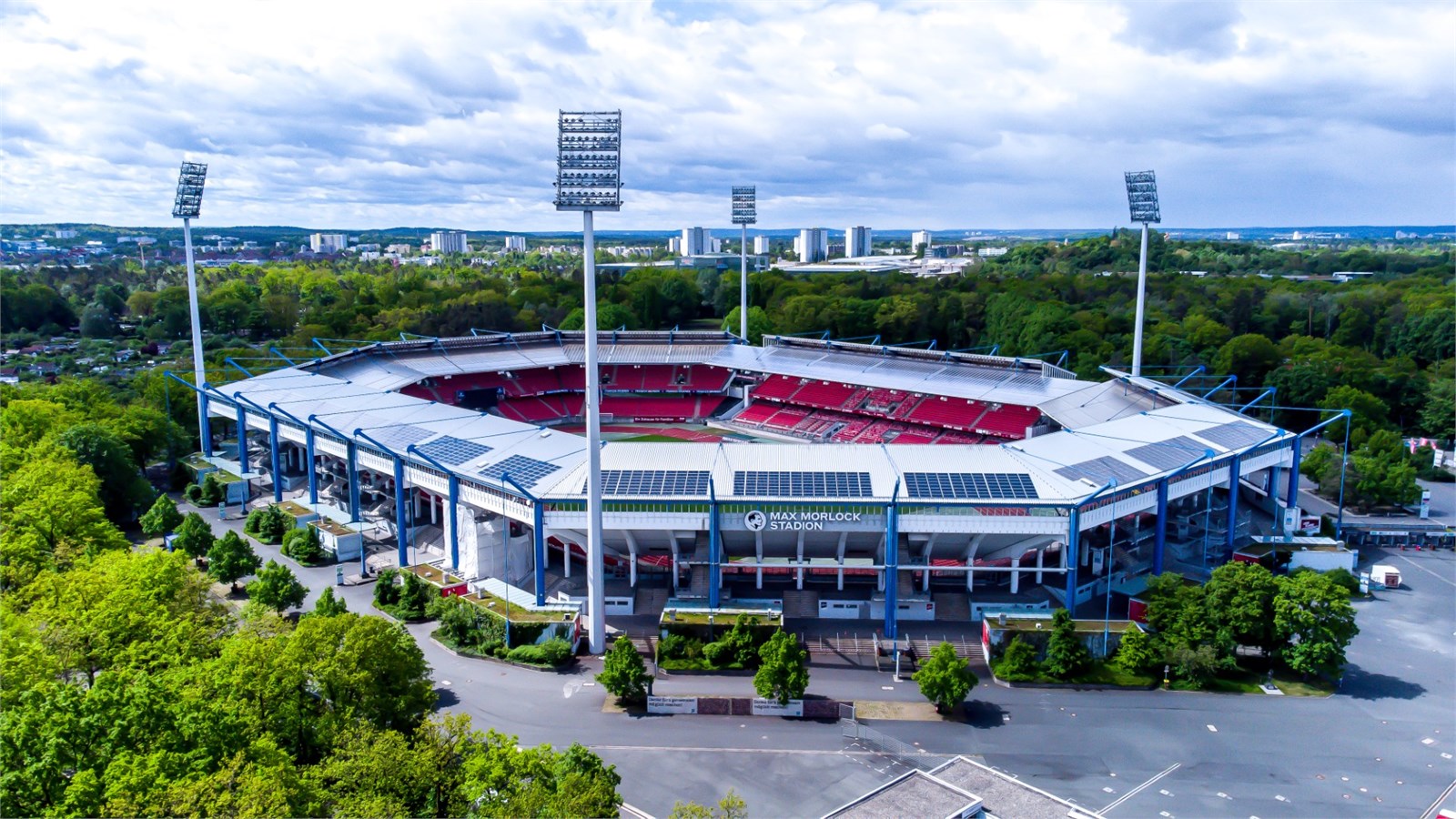
The Max-Morlock-Stadium is an architectural highlight, an event venue, a cultural site, and the home ground of 1. FC Nürnberg. In addition to approximately 30 football matches, the "Octagon" hosts between 140 and 160 corporate events, 330 stadium tours, and 5 to 15 concerts annually. Completed in 1928, the Municipal Stadium was the centerpiece of a local recreation area - featuring outstanding architecture - that served as a model for the rest of Germany. That same year, the entire stadium complex in the Volkspark won a gold medal in the artistic competitions at the Amsterdam Olympic Games, earning it the reputation of being the most beautiful stadium in the world. Built in the Bauhaus style, it remains a "Franconian place of pilgrimage" steeped in history and emotion to this day. The "MMS" was also the first European stadium to receive EMAS environmental certification in 2006 and is currently one of only two stadiums in Germany to hold this certification. Alongside a comprehensive renovation and modernization of the main stand, a three-story VIP building was constructed for hospitality guests and media representatives. A red 400-meter synthetic track encircles the football pitch and is used for athletics competitions. Facts and figures: Total capacity: 50,000; seated: 36,771; standing: 13,229; business seats: 1,184; seats in 18 private boxes: 180; wheelchair-accessible spaces: 95; seats for the visually impaired: 15; press seats: 152; TV commentator seats: 18; TV commentator booths: 2; 2 player dressing rooms with separate recovery pools and massage rooms; dressing rooms for coaches and referees/officials; medical and treatment rooms; doping control rooms; press mixed zone (300 m²); BSK Lounge (225 m²); 3 TV studios; 2 lounge areas for wheelchair users with accessible restrooms; 1,200 m² of VIP areas across two levels for approx. 1,200 guests of honor; 400 m² of multifunctional rooms on the second upper floor; athletics facilities meeting international competition standards; irrigation system; rainwater cistern supply; pitch heating; HDTV-compatible floodlight system (1,800 lux operational illuminance); two 60 m² LED video walls; fail-safe power supply via separate feed lines and emergency diesel generators; public address systems; 18 video cameras (6 on the pitch/track level, 8 in the stadium area, 4 on access roads); electronic access control; 3 first-aid stations comprising 7 rooms; parking spaces: 15,000 (including 275 VIP spaces directly at the stadium). Built in 1928, Max-Morlock-Stadion, Nuremberg Stadium, octagonal shape, listed building, Bauhaus style, running track, EMAS environmental certification, Middle Franconia
Technical information
Capacity / Logistics
The Max-Morlock-Stadion is located in the heart of the Volkspark Dutzendteich. The venue is easily accessible, and over 13,000 parking spaces are available in the immediate vicinity. The VIP facilities can accommodate up to 1,200 people. The stadium interior, which includes a running track, has a total capacity of 50,000 seats. Furthermore, there is ample space in the associated outdoor areas.
Power supply
16 A, 32 A, 64 A; green electricity planned
Condition
well-maintained
Contact
Stadion Nürnberg Betriebs-GmbH
Address
Max-Morlock-Stadium Nuremberg
Max-Morlock-Platz 1,
90471 Nürnberg